Powell River Top General Contractor for Professional Remodeling
General Contractor: Your First-Choice Expert for Home Tasks
A general contractor maintains an essential position in building projects. They handle various components of construction, guaranteeing that all work proceeds smoothly. Their expertise of construction regulations and guidelines allows them to navigate the challenges of authorizations and reviews. This expert serves as an important bridge between clients and trade contractors. Still, many homeowners feel unsure about the breadth of their offerings. Understanding these details can have great importance for the accomplishment of any renovation endeavor.
What Does a General Contractor Do?
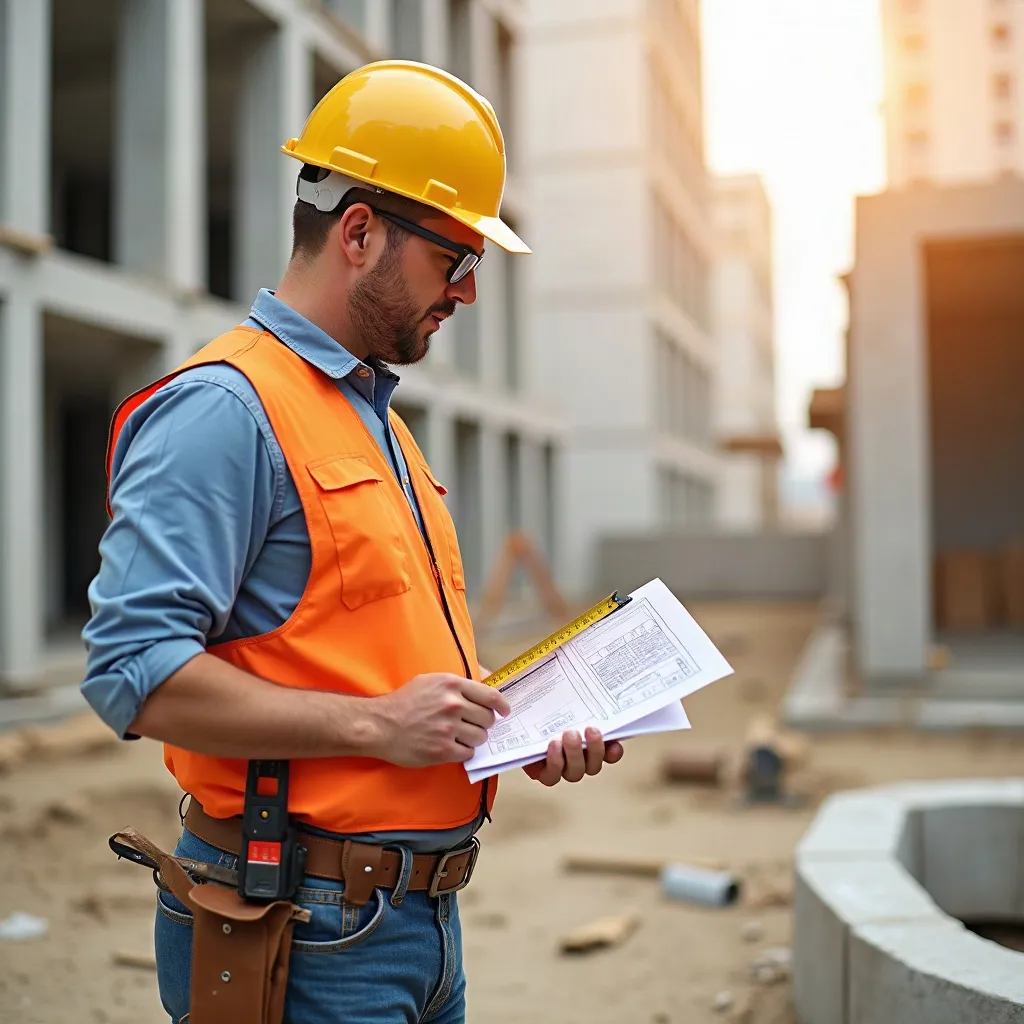
A general contractor orchestrates the various elements of a structural project, confirming that all operations flow without issue from start to finish. They serve as the primary point of contact, managing interactions between stakeholders, subcontractors, and suppliers. This role involves planning the construction calendar, arranging personnel, and upholding adherence with municipal construction standards and regulations.
General contractors are responsible for acquiring required licenses and arranging inspections, which are essential to upholding safety and quality benchmarks. They also handle budget planning, material procurement, and overseeing site operations to mitigate any potential delays or issues. In addition, they oversee subcontractors, making sure that each phase of construction conforms to project specifications and timelines. Overall, a general contractor's knowledge and management abilities are crucial for completing a successful construction project, transforming a client's vision into reality while managing multiple duties and obligations.
Benefits of Employing a General Contractor for Home Renovations
Engaging a a general contractor for home renovations delivers numerous perks that can significantly boost the quality and efficiency of the project. Experienced contractors deliver knowledge in overseeing projects, guaranteeing that schedules are followed and materials are managed efficiently. Their solid connections with trade professionals can result in competitive pricing and outstanding quality, which ultimately benefits property owners by reducing costs and time.
Also, general contractors supervise the intricate details of authorizations and assessments, curtailing potential legal issues. They also furnish a single point of contact, easing communication and coordination among various trades. This integration mitigates the likelihood of misunderstandings and delays.
Additionally, their background allows them to identify looming difficulties, enabling quick fixes to keep the project on schedule. By hiring a general contractor, homeowners can concentrate on their vision while enjoying peace of mind, knowing that a professional is handling every aspect of the renovation.
Debunking Myths About General Contractors
While many property owners may hold misconceptions about contracting professionals, understanding the truths can lead to more educated decisions. One common myth is that hiring a general contractor is not needed for small projects; however, their expertise can streamline even small-scale renovations, ensuring compliance with local codes. Another frequent belief is that general contractors are merely middlemen, but they often possess broad knowledge in various trades, enabling them to manage projects effectively. Additionally, some homeowners think that working with a contractor will considerably inflate costs. In truth, a professional general contractor can often secure better rates for materials and labor due to established relationships with vendors and subcontractors. Finally, many believe that general contractors are inflexible, but reputable contractors prioritize client communication and collaborate closely to meet individual needs. Cleared up myths can empower clients to leverage the real value of general contractors in achieving effective home projects.
Finding the Ideal General Contractor?
How can property owners guarantee they select the right general contractor for their assignments? The procedure starts with thorough research. Homeowners should obtain suggestions from friends, family, or online reviews to locate qualified contractors. Once a list is created, confirming qualifications, such as licensing, bonding, and insurance, is essential to verify credibility.
Next, property owners should solicit and assess samples of previous work, focusing on projects similar in scope. Arranging consultations allows property owners to determine suitability, addressing timelines, budgets, and expectations. It's also prudent to gather multiple bids for contrast, delivering a transparent view of costs.
Verifying references offers understanding of a contractor's dependability and expertise. Ultimately, trusting one's instincts is essential; an opening discussion can expose a contractor's communication style and approach. By following these steps, homeowners can significantly boost their likelihood of picking a general contractor who suits their project needs and vision.
Strong Messaging Strategies For Working Alongside Your General Contractor
How might homeowners use approaches to guarantee clear exchanges with their general contractor? Setting up direct communication from the beginning is critical. Homeowners must clearly express access this information their requirements, project aims, and cost parameters during opening conversations. Frequent communications can be promoted through planned discussions, confirming that both parties stay in sync throughout the project.
Applying documented evidence, such as project documentation and emails, strengthens spoken commitments and minimizes confusion. Homeowners should likewise foster transparent dialogue by welcoming input and feedback from the contractor, fostering a collaborative environment.
In addition, tapping into technology, such as project management apps, can refine communication by supplying a centralized interface for communicating updates, timelines, and changes. Finally, being respectful and approachable can elevate rapport, allowing it less difficult for the contractor to articulate challenges or suggestions effectively. By applying these strategies, homeowners can build up a rewarding and forthright relationship with their general contractor.
What Lies Ahead When Your Initiative Launches?
Once the project launches, homeowners can expect a flurry of activity on-site. The general contractor will coordinate crews of qualified professionals, such as electricians, plumbers, and carpenters, who will commence their duties following the predetermined plan. Homeowners may notice construction equipment and supplies being moved in, creating a energetic environment.
Communication stays vital during this stage. The contractor will provide updates on advancement and address any issues that arise. Homeowners should get ready for possible disruptions, such as noise and limited access to specific areas of the home.
Safety measures will be in place to protect both workers and residents, confirming a secure space. Additionally, homeowners may be advised to sustain flexibility, as unexpected circumstances can arise, necessitating adjustments to the original plan. Overall, this initial phase creates the conditions for the successful completion of the project, and active commitment is essential.
Basic Questions for Your General Contractor Agreement?
Identifying the proper inquiries to ask when finalizing a general contractor agreement is vital for ensuring a seamless project. Homeowners should question about the contractor's permit and protection to validate their qualifications and protection against losses. Understanding the project timetable and checkpoints is important; therefore, asking about anticipated completion dates helps control expectations.
It is also crucial to establish payment terms, such as deposit amounts and payment schedules, to avoid misunderstandings. Property owners should ask for a comprehensive itemization of expenses, covering materials and workmanship, to ensure clarity. Furthermore, discussing the procedure for handling changes or unexpected problems can prevent disputes later on.
In conclusion, property owners must research information about the qualifications of their subcontractors, as well as the communication strategy of the contractor throughout the project. By reviewing these points, homeowners can establish a productive relationship with their general contractor, ultimately achieving a successful home project.
Often Asked FAQs
In What Manner Do General Contractors Request Payment for Their Services?
General contractors commonly bill via set fees, hourly pricing, or a cut of the total project price. Their pricing may further encompass supplies needed, labor, and indirect costs, determined by the project's complexity and scope.
Can a General Contractor Assist With Permits and Inspections?
Yes, a general contractor can aid in securing permits and conducting inspections oversight. They typically navigate local regulations and ensure compliance, streamlining the process for homeowners while providing necessary approvals throughout the construction project.
What Experience Should I Look for in a General Contractor?
When hiring a general contractor, one should review qualifications such as licensing, insurance, background with comparable initiatives, strong references, and effective communication skills, confirming they possess the essential qualifications to manage the project with success.
How Much Time Does a Common Home Renovation Project Take?
A everyday home renovation work can go anywhere from a few weeks to several months, subject to the scope, difficulty, and size of the project, as well as the availability of materials and labor.
What Takes Place if My Project Surpasses Financial Limits?
If a project exceeds the budget, the contractor typically discusses the causes and alternatives with the property owner. Adjustments may consist of scaling back, obtaining more funds, or modifying the project parameters to match financial limits.